The Dodged Agenda: Seven Talks British Managers Keep Postponing

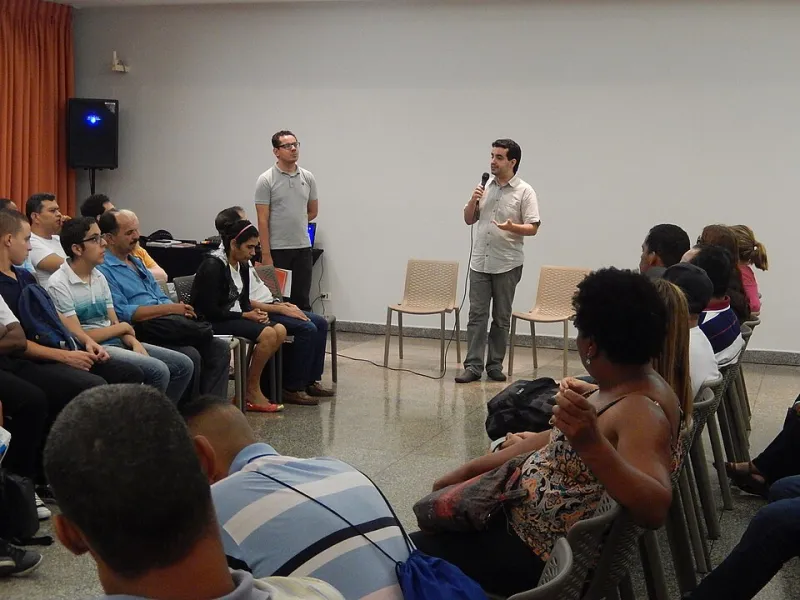
Photo: nervous manager difficult conversation one-to-one office meeting room, via media.craiyon.com
Every British manager has a conversation they have been meaning to have for about four months. It sits at the bottom of the mental to-do list, resurfacing during the commute, dissolving at the sight of the person's friendly face. This is not cowardice; it is culture. British workplace norms prize tact, fear awkwardness, and offer few scripts for directness. The result is a national habit of deferral — and a quiet accumulation of unaddressed problems.
Below are the seven conversations most frequently dodged, each with a short framework. Five minutes of discomfort, practised deliberately, beats five months of erosion.
1. The Popular Underperformer
The dodge: everyone likes them, so nobody tells them their work is slipping.
The framework: open with warmth, then pivot to specifics. 'You're a real presence on this team, and I want to raise something because it matters — the last three deadlines have slipped. What's going on?' Popularity is not a reason for silence; it is a reason for care.
2. The High-Flyer Who Isn't Ready
The dodge: telling a rising star that the promotion isn't happening yet.
The framework: separate the person from the timeline. 'I see your ambition, and I want you here. Here's what the next role requires that I can't yet evidence — and here's how we build it together.' Give a genuine development plan, or lose them to a competitor who will.
3. The Body Odour Conversation
The dodge: the eternal classic, deferred until HR forces the issue.
The framework: privacy, brevity, kindness. 'I want to mention something awkward, and I hope you'll forgive me for it, because I'd want someone to tell me.' Say it once, plainly, and move on. Do not apologise for a full week afterwards.
4. The Salary Expectation Mismatch
The dodge: hinting that a raise isn't coming, hoping the message lands by osmosis.
The framework: state the position, then the path. 'I can't get to that number this year. Here's what I can do, and here's what would change it next cycle.' Ambiguity here breeds resentment; clarity, even unwelcome clarity, breeds trust.
5. The Dominant Voice in Meetings
The dodge: tolerating the colleague who occupies all the airtime because challenging them feels confrontational.
The framework: make it a process fix, not a personal one. 'I'm changing how we run meetings so everyone gets airtime — I'll be calling on people directly, including you, but more briefly.' Structural solutions let you correct behaviour without an accusation.
6. The Departing Star You Can't Retain
The dodge: avoiding the conversation with someone clearly leaving, pretending all is normal.
The framework: name it with grace. 'I know you're exploring options, and I'd rather we're honest. If there's anything that would keep you, I want to know. If not, let's plan a good transition.' Dignity now preserves the relationship — and possibly the boomerang hire later.
7. The Peer Who Isn't Pulling Their Weight
The dodge: the hardest of all — a fellow manager, not a report, whose underperformance you're carrying.
The framework: lead with the shared goal, not the grievance. 'We're both accountable for this outcome, and I'm struggling to hit it with how the workload is currently split. Can we look at it together?' Framing it as a joint problem lowers the defensive drawbridge.
The Common Thread
Notice what all seven frameworks share: specificity, brevity, and a forward pivot. British managers rarely fail at these conversations because they lack intelligence or empathy. They fail because they wait for the perfect moment, which never arrives. The five-minute version, delivered imperfectly this week, is worth more than the eloquent version that exists only in your head.