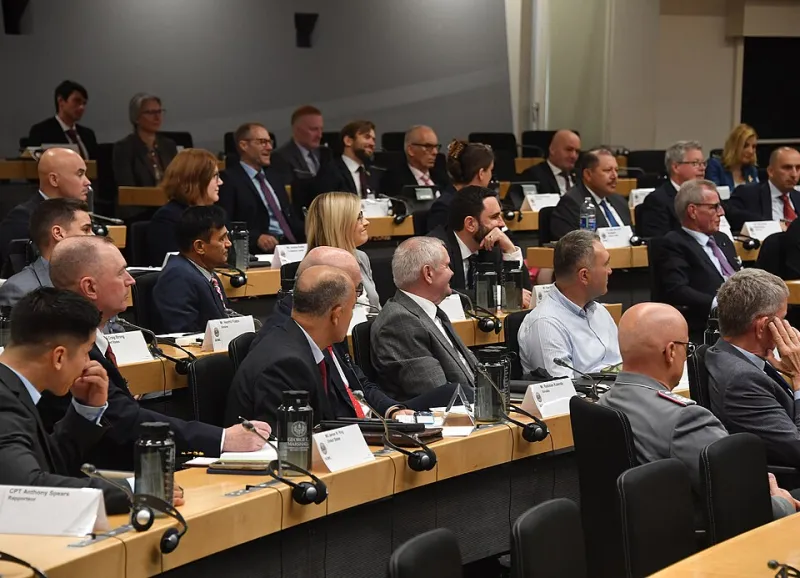
The Innovation Exile: How British Boardrooms Banish Their Most Valuable Assets

In the polished conference rooms of Britain's major corporations, a quiet tragedy unfolds daily. The very executives who possess the vision to anticipate market shifts, the courage to challenge orthodoxy, and the creativity to forge new paths find themselves increasingly isolated. Their insights are dismissed as premature, their warnings ignored as pessimistic, and their innovative proposals shelved as impractical.
This systematic exclusion of strategic innovators represents one of the most dangerous blind spots in British corporate culture. Whilst organisations claim to value innovation and forward thinking, their actual behaviour reveals a preference for consensus, conformity, and the comfortable predictability of established approaches.
The Heretic's Journey
The pattern emerges with depressing regularity across industries. A capable executive begins noticing shifts in customer behaviour, technological capabilities, or competitive dynamics. They raise concerns about current strategy, propose alternative approaches, or suggest preparing for different scenarios.
Initially, their observations may be acknowledged with polite interest. However, as their message becomes more urgent and their proposals more radical, the organisational response shifts. They become labelled as "difficult," "negative," or "not aligned with company direction."
The transformation from valued contributor to organisational pariah happens gradually. Meeting invitations become less frequent. Their input is sought on tactical matters but ignored on strategic ones. Colleagues begin treating them with the careful politeness reserved for those who have fallen from favour.
The Consensus Trap
British corporate culture's emphasis on consensus and harmony creates particular hostility towards dissenting voices. The executive who questions prevailing wisdom or challenges popular strategies violates unwritten rules about collegiality and team spirit.
This cultural preference for agreement over accuracy creates dangerous groupthink. Boardrooms become echo chambers where similar perspectives reinforce each other, whilst alternative viewpoints are systematically filtered out. The result is strategic blindness – organisations that cannot see disruption coming because they have silenced those who would warn them.
The irony is profound. The very behaviour that marks someone as "difficult" – questioning assumptions, challenging conventional wisdom, proposing unconventional solutions – represents exactly what organisations need to navigate uncertain environments.
The Comfort of Conformity
Established British enterprises develop institutional momentum that becomes increasingly difficult to redirect. Success breeds confidence in current approaches, making leadership teams resistant to suggestions that their strategies might be flawed or incomplete.
The strategic innovator threatens this comfortable certainty. Their presence in senior discussions forces uncomfortable questions about market assumptions, competitive positioning, and strategic direction. Rather than embrace this intellectual challenge, many organisations choose to eliminate the source of discomfort.
This response reflects a fundamental misunderstanding of how innovation works. Breakthrough thinking rarely emerges from comfortable consensus. It requires the friction of competing ideas, the challenge of different perspectives, and the willingness to consider uncomfortable possibilities.
The Timing Problem
One of the most frustrating aspects of the innovation exile is the timing mismatch between insight and acceptance. Strategic innovators typically see trends and opportunities months or years before they become obvious to mainstream thinking. Their early warnings seem premature, their proposals appear unnecessary.
By the time market forces validate their concerns, the organisation has often lost valuable preparation time. The executive who warned about digital disruption three years ago suddenly becomes prophetic – but only after competitors have gained insurmountable advantages.
This timing problem creates a cruel paradox. The leaders most capable of helping organisations prepare for change are dismissed precisely because they see change coming before others do. Their foresight becomes a liability rather than an asset.
The Crisis Awakening
The true cost of innovation exile becomes apparent only when crisis strikes. Suddenly, organisations desperately need the very capabilities they previously dismissed. The strategic thinking they ignored becomes essential. The alternative perspectives they rejected become urgently relevant.
In these moments of crisis, organisations often attempt to recall their exiled innovators. They reach out to former colleagues who left in frustration, seek advice from internal dissidents they previously marginalised, or hire external consultants who espouse the same ideas their own people proposed years earlier.
This crisis-driven recognition comes too late to prevent damage but serves as a painful reminder of opportunities lost. The organisation must now pay premium prices for insights that were once available internally, whilst also dealing with the consequences of delayed action.
The Competitive Disadvantage
Britain's corporate culture of innovation exile creates systematic competitive disadvantages. Whilst other markets embrace strategic mavericks and reward unconventional thinking, British organisations often drive away their most innovative talent.
These exiled innovators don't disappear – they migrate to competitors, start their own ventures, or join organisations that value their capabilities. The result is a brain drain that leaves established British enterprises increasingly vulnerable to disruption.
Meanwhile, the organisations that retain and empower their strategic innovators gain significant advantages. They spot opportunities earlier, adapt to changes faster, and position themselves ahead of market shifts rather than behind them.
The Leadership Challenge
Addressing innovation exile requires fundamental changes in how British organisations approach leadership and decision-making. It demands leaders who can distinguish between destructive dissent and constructive challenge, who can separate personal comfort from organisational effectiveness.
The most effective leaders actively seek out dissenting voices rather than avoiding them. They create structures that surface alternative perspectives, reward intellectual courage, and protect those who challenge conventional thinking from organisational retaliation.
Building Innovation Inclusion
Transforming innovation exile into innovation inclusion requires deliberate organisational design. Companies must create formal mechanisms for surfacing unconventional ideas, protecting dissenting voices, and ensuring alternative perspectives reach senior decision-makers.
This might involve dedicated innovation roles, structured devil's advocate processes, or external advisory groups that bring outside perspectives to strategic discussions. The key is creating systematic approaches that counteract natural tendencies towards consensus and conformity.
The Governance Imperative
Board-level governance plays a crucial role in either perpetuating or preventing innovation exile. Directors must actively seek out information about internal dissent, alternative strategic perspectives, and unconventional thinking within their organisations.
This requires going beyond traditional management presentations to engage directly with potential innovators throughout the organisation. It means asking uncomfortable questions about strategic assumptions and creating safe spaces for challenging current approaches.
The Cultural Transformation
Ultimately, ending innovation exile requires cultural transformation. British organisations must evolve beyond their preference for harmony and consensus towards a more dynamic model that embraces creative tension and intellectual diversity.
This cultural shift won't happen overnight, but it's essential for long-term competitiveness. The organisations that master this balance – that can maintain operational effectiveness whilst embracing strategic innovation – will be best positioned for future success.
The Strategic Imperative
In an era of accelerating change and increasing uncertainty, Britain's corporate culture of innovation exile becomes increasingly dangerous. Organisations cannot afford to silence the voices most capable of guiding them through disruption.
The choice is clear: evolve towards inclusion of strategic innovators or continue the costly cycle of exile and crisis-driven recall. The organisations that choose evolution will find themselves better prepared for whatever challenges and opportunities the future holds.
The time has come for British business to recognise that their most valuable strategic assets might not be their most comfortable colleagues. The leaders who challenge, question, and innovate deserve seats at the table, not exile from it. Their insights today might well become tomorrow's survival strategies.